Selling your WPB condo?
Free Market Valuation →
Downtown West Palm Beach Food Tour: A Local's Complete Guide to the #1 Dining Walk in the United States
USA Today named the Downtown West Palm Beach Food Tour the #1 food tour in the United States. Here's the full local guide — walking route, best stops for every meal, the Nora District, Clematis Street, parking, insider tips, and why the downtown dining scene matters to anyone evaluating WPB condos.
Photos courtesy of Discover The Palm Beaches
There is a version of West Palm Beach that most people outside South Florida still don't know exists — a walkable, food-forward downtown with a dining scene that has matured from a regional afterthought into something the entire country is paying attention to. The clearest evidence of that shift: USA Today named the Downtown West Palm Beach Food Tour the #1 food tour in the United States. Not the best in Florida. Not the best in the Southeast. The best in the country — outranking tours in New York, New Orleans, Charleston, and Chicago.
That kind of recognition doesn't come from marketing budgets or local boosterism. USA Today's food rankings are nationally competitive and editorially scrutinized. Winning means the downtown West Palm Beach dining scene has developed genuine depth, range, and walkability that holds up against cities with decades more culinary reputation. For anyone evaluating West Palm Beach as a place to live, this is the fastest way to understand what the downtown actually delivers at street level.
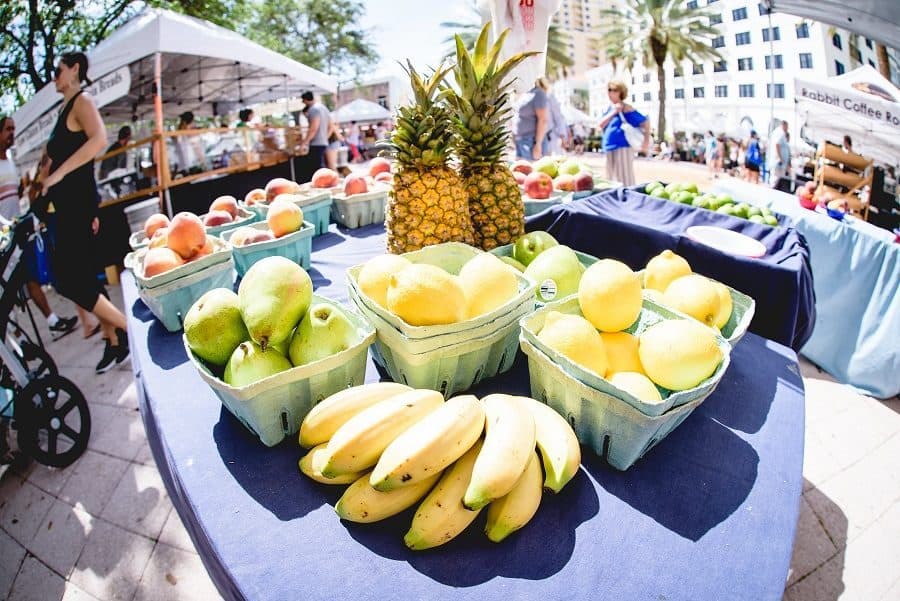
The Downtown West Palm Beach Food Tour covers the concentrated dining corridor that runs from Clematis Street through CityPlace and into the South End. This is a walkable stretch of a few city blocks that contains some of the most interesting restaurants in South Florida. The tour format provides a structured entry point: smaller plates at each stop, commentary on the neighborhood's culinary history, and enough variety to understand the range of the scene. Tours run throughout the week and are designed for first-time visitors and longtime residents alike, departing from downtown West Palm Beach — check the tour's official website for current departure points and booking.
The suggested walking route for your own self-guided version runs roughly west to east along Clematis Street, then south through CityPlace, and optionally north toward the Nora District along Dixie Highway. The whole loop covers less than two miles on flat terrain, making it genuinely walkable even in South Florida heat if you time it for morning or early evening. Plan two to three hours minimum if you are stopping to eat; a full day if you are treating it as a serious food and neighborhood tour.
For breakfast, the downtown core has developed a real morning culture over the past few years, driven by the density of full-time residents who have relocated to buildings along Clematis, Flagler Drive, and the CityPlace corridor. Avocado Grill on Clematis Street — a James Beard Award-nominated restaurant and one of the most important culinary establishments in WPB — runs a brunch service that reflects the same farm-to-table ethos as its dinner program. Amici Market, the Italian provisions shop and café near CityPlace, handles European-style morning visitors with espresso and prepared items. The neighborhood also supports a handful of independent breakfast spots that cater to the working-from-downtown professional demographic that has grown significantly since 2020.
Coffee in downtown WPB has improved substantially alongside the residential population. The area now supports independent specialty coffee shops rather than chain-only options, with roasters from the broader South Florida coffee scene finding their way into storefronts near Clematis and at CityPlace. For serious coffee drinkers evaluating the neighborhood as a place to live, the answer has changed from a few years ago — the scene now supports a genuine morning routine.
Lunch along the Clematis and CityPlace corridor offers a range that serves both quick and leisurely meals. Hullabaloo, one of the original anchors of the downtown dining revival, has maintained its relevance through local sourcing and a craft cocktail program that begins at lunch. CityPlace hosts several concepts that handle the midday crowd efficiently while holding a quality standard that goes beyond fast casual. For buyers on property tours, the area between Clematis and CityPlace covers enough restaurants in close proximity that lunch logistics are never a problem — you will not need to drive.
Happy hour in downtown WPB has become a serious institution, and the hour or two before dinner on a weekday reflects the professional demographic that has moved into the area. The bar programs at establishments along Clematis Street and at CityPlace reflect genuine cocktail culture rather than the discounted well-drinks model that defines suburban happy hour. The waterfront along Flagler Drive — reachable in a short walk from the core of Clematis — adds outdoor seating and Intracoastal views to evening drinks in a way that is genuinely unusual for a downtown American city.
For fine dining, downtown WPB now has multiple options that hold up to serious scrutiny. Avocado Grill's dinner service is the standard-bearer — the James Beard recognition reflects a culinary philosophy and execution level that distinguishes it from the category of restaurants that serve good food to a wealthy market. The Cipriani family's Bellini Restaurant at Mr. C Residences, on floors 26 and 27 of the tower at 383 Okeechobee Boulevard, represents a new tier of hotel-caliber dining entering the market — available to building residents and hotel guests, and setting a standard for what branded hospitality dining looks like in WPB. The South Flagler House dining program, as it develops closer to its 2027 delivery, will add another serious food and beverage presence to the market. The fine dining tier in WPB is not as deep as Miami's, but it is deeper than most markets of this size and growing.
Waterfront dining is a legitimate feature of the downtown West Palm Beach experience. The Intracoastal Waterway runs along the eastern edge of the city, and the combination of Flagler Drive's walking and cycling path with waterfront restaurant seating gives the area a character that is difficult to find in other Florida cities. The water taxi running between West Palm Beach and Palm Beach Island adds a nautical dimension to an evening: dinner in Palm Beach followed by a water taxi back across the Intracoastal to your downtown building. Several waterfront concepts along the marina district operate within reach of the downtown core, and the broader Palm Beach marina dining scene — including waterfront restaurants accessible by boat from Sailfish Marina and the Intracoastal — expands the options considerably for residents with access to the water.
The Nora District, centered on North Railroad Avenue approximately one mile north of Clematis Street, is the most important addition to the downtown WPB dining conversation in the past three years. The Nora District has attracted chef-driven restaurant concepts, independent boutiques, art galleries, and design-forward hospitality that has more in common with Miami's Wynwood or New York's East Village than typical suburban South Florida dining. The restaurants opening in the Nora District are run by chefs who have made deliberate choices to be in WPB rather than Miami or elsewhere — and the food reflects that seriousness. For buyers evaluating the Nora District as a neighborhood — Nora House condominiums sit at 1105 N Dixie Highway, within the district itself — the dining scene is a primary lifestyle draw. For downtown buyers willing to walk or take a short drive, Nora adds a second dining and nightlife district that doubles the options available from a Clematis or CityPlace address.
Clematis Street itself is the spine of downtown WPB's dining and entertainment scene, and its recent years reflect a neighborhood that has matured from a bar-heavy entertainment strip into a more balanced mix of restaurants, cocktail bars, and cultural venues. Clematis by Night, the longstanding outdoor concert series in Esplanade Park at the waterfront end of Clematis, remains one of the city's most genuinely democratic cultural events — free live music on the Intracoastal waterfront every Thursday evening, drawing a range of WPB residents who would not otherwise share the same outdoor space. For buyers evaluating walkable urban life, Clematis on a Thursday evening is one of the most efficient ways to understand the city's character.
The hidden gems in downtown WPB are the spots that don't make the obvious lists but that reflect the actual dining culture of people who live here year-round rather than arrive for season. Amici Market's prepared food counter, which functions as an Italian deli and grocery for downtown residents, is the kind of neighborhood institution that fills a gap between restaurant meal and home cooking in a way that makes daily life genuinely easier. The smaller cocktail bars on the blocks just off Clematis attract a regulars crowd that skews toward the professional demographic rather than the tourist and bar-crawl demographic that dominates the most visible addresses. The brunch culture that has developed in the residential blocks adjacent to CityPlace reflects the density of young professionals who have relocated downtown and created their own neighborhood social fabric.
Parking in downtown West Palm Beach is manageable with a basic orientation. The Banyan Street parking garages, within walking distance of Clematis, are the primary public parking infrastructure. CityPlace has its own parking structure directly attached to the retail and restaurant district. On-street metered parking on Clematis Street turns over reasonably during the day and evening. For buyers evaluating a downtown condo purchase, the parking question is less relevant than it seems from outside — the walkability of the downtown core means residents of buildings like One City Plaza, Two City Plaza, The Slade, and Montecito Palm Beach regularly go days without using their cars for dining and entertainment, which is genuinely unusual in South Florida.
The best time to visit the downtown food scene is either early November through late April during the peak South Florida winter season, when the restaurants are operating at full programming and the outdoor dining conditions are ideal, or late May through early October if you want to see the city at a quieter, more residential pace with shorter waits and lower prices. Midweek evenings during season offer the best balance of activity and access — weekend nights from December through March can be genuinely difficult for walk-in dining at the best spots. The late afternoon to evening window — roughly 5:00 to 9:00 p.m. — captures both happy hour and dinner service in a single outing if you are short on time.
Seasonal events add a dimension to the downtown food experience that is worth timing a visit around. Clematis by Night runs every Thursday year-round and is one of the few free recurring outdoor events in a market that trends expensive. Restaurant Week, typically scheduled in autumn, gives buyers on a pre-purchase visit an opportunity to try higher-end restaurants at reduced pricing. The Palm Beach Food and Wine Festival, held annually in December, draws national culinary talent to the area and concentrates the most serious dining programming of the year into a long weekend.
The local insider tips that matter most for navigating the downtown food scene: make reservations at Avocado Grill at least two weeks ahead during season if you want a weekend table; the Thursday Clematis by Night crowd builds from 6:00 p.m. and peaks around 7:30, so arrive before then if you want a good waterfront spot; the Nora District is more accessible by car or rideshare than by walking from the Clematis core unless you genuinely enjoy a long walk; the water taxi to Palm Beach Island runs evenings and is worth building an evening around at least once; and the parking structure at CityPlace validates for restaurant customers, which most first-time visitors to the area do not know.
For anyone evaluating West Palm Beach condos as a primary or seasonal residence, the downtown food scene is one of the most important neighborhood variables — and the USA Today #1 ranking is the most concise way to communicate its legitimacy to someone who has not yet experienced it in person. Buildings along Clematis Street, in the CityPlace corridor, and along North and South Flagler Drive — including One City Plaza, Two City Plaza, The Slade, Montecito Palm Beach, Mr. C Residences, and the North Flagler towers at Olara and Nora House — all sit within reach of the same dining corridor the food tour covers. The ability to walk to a nationally recognized dining scene is a quality-of-life variable that buyers talk about once they are living in these buildings, and it is a variable that does not depreciate.
Here are the questions the DO Homes Group team hears most often about the downtown West Palm Beach food and dining scene.
Does downtown West Palm Beach have good restaurants, or is the scene still developing? The scene is developed. The USA Today #1 ranking for the Downtown WPB Food Tour is the external validation, but the evidence is in the restaurants themselves: a James Beard-nominated chef at Avocado Grill, hotel-caliber dining entering the market through Bellini Restaurant at Mr. C and others, and the Nora District attracting independent chef-driven concepts that have chosen WPB over Miami. The scene is not Miami's, but it is serious and growing.
How walkable is the downtown WPB dining scene from a condo? Very walkable for buildings on or near Clematis, in the CityPlace corridor, and along South Flagler Drive. Buildings like One City Plaza, Two City Plaza, The Slade, Montecito Palm Beach, and Mr. C Residences are within walking distance of the core dining corridor. North Flagler Drive buildings — Olara and others — are a longer walk but still reasonable in cooler months or by water taxi.
What is the Nora District, and how does it fit into the downtown dining picture? The Nora District is a neighborhood centered on North Railroad Avenue, just west of North Dixie Highway, that has emerged as WPB's most interesting dining and design destination over the past few years. It is approximately one mile north of Clematis Street and is best reached by car or rideshare from most downtown addresses, though Nora House residents live within the district. The restaurant concepts there skew more independent and chef-driven than the Clematis and CityPlace corridor, and the neighborhood as a whole reflects a more boutique, gallery-driven character.
Is the Downtown West Palm Beach Food Tour appropriate for out-of-town visitors evaluating a condo purchase? Yes — and the DO Homes Group team recommends it specifically for buyers visiting WPB for the first time to look at properties. Walking the dining corridor gives you an immediate sense of the density of the neighborhood, the quality of street activation, and the kind of daily life available from a downtown address. It is a more useful two hours than reading any number of neighborhood profiles.
Written by John Oliver, REALTOR® · DO Homes Group at Premier Brokers International — SRS, ABR, RENE, RSPS certified.
Have Questions?
Talk to Christine or John — no obligation.
More Buyer Guides
This guide is provided by DO Homes Group at Premier Brokers International for informational purposes only and does not constitute legal, financial, tax, or investment advice. Pricing, availability, HOA fees, rental and pet policies, building rules, and development timelines change frequently and may have changed since publication. Verify all details independently — including the building's current association documents — and consult the appropriate licensed professionals before making any real estate decision.
Ask Christine or John
We conducted our entire search virtually from abroad and John personally visited properties for us.
— Carolyn Hall, Buyer · 3x Platinum Producers, 9 yrs WPB condos
Nearby Schools
GreatSchools is a nonprofit that provides ratings, test scores, and parent reviews for public and private schools across the country — a helpful starting point for families researching West Palm Beach.
View Schools on GreatSchools →School data provided by GreatSchools.org. Ratings are one of many factors to consider — we recommend visiting schools directly and consulting the Palm Beach County School District for the most current information.
Sell with Christine & John
Thinking of Selling
Your WPB Condo?
Christine & John know your building better than any generalist agent — every closed comp, every active listing, every competing new construction project in your price range. That's how you price right the first time.
We Know These Buildings
Deep WPB condo market knowledge — we track every building, comp set, and price trend so your listing is priced right from day one.
condowpb.com Buyer Pipeline
Our site attracts active condo buyers — your listing is in front of them before we run a single ad.
Pricing Backed by Data
We track resale history and price trends for every building in the market. We price with data, not estimates.
Certified Seller Representation
John holds the SRS designation — a national credential for advanced seller representation held by fewer than 5% of agents. Both agents hold RENE.
2017
Team Founded
3x
Platinum Producers
41+
Buildings Tracked