Selling your WPB condo?
Free Market Valuation →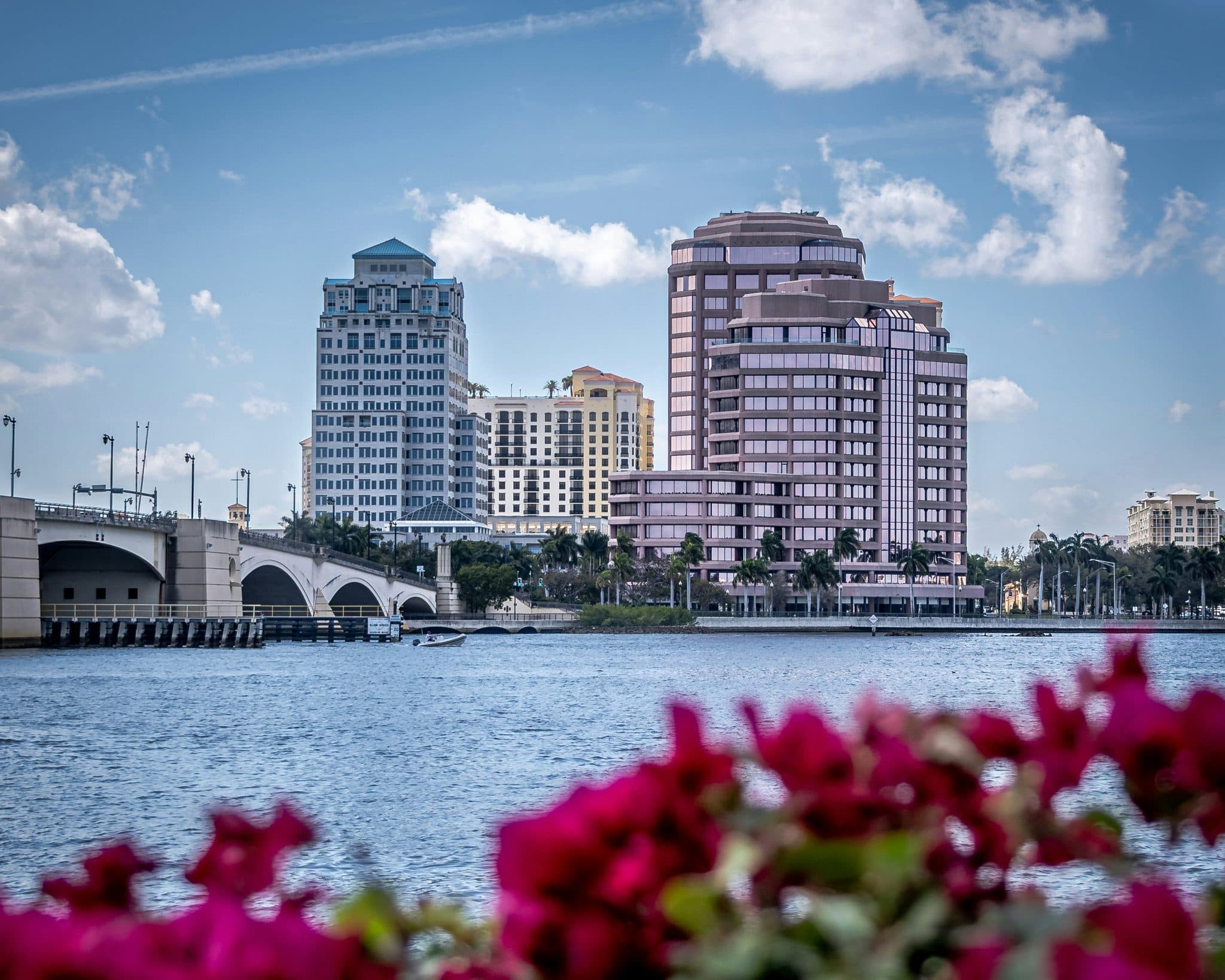
HOA Fees in West Palm Beach Condos: What's Included & What to Expect
HOA fees in WPB condos range from $300 to $18,000+ per month depending on the building. Here's exactly what they cover, what to watch for, and how to evaluate them.
HOA fees are one of the most misunderstood costs in condo ownership — and in West Palm Beach specifically, where the range between a modest mid-rise and an ultra-luxury tower can span from $300 to $18,000+ per month, understanding what you're actually paying for is essential. A high HOA fee is not automatically a red flag. A low one is not automatically a bargain. The right question is always: what does this fee include, and does the building maintain its reserves adequately to cover future capital needs?
In WPB's downtown corridor and older Flagler Drive buildings, HOA fees in the $400–$900/month range are common. These typically cover building insurance, exterior maintenance, common area utilities, basic amenities (pool, fitness room), and management fees. Many also include water and basic cable — line items that are worth $100–$200/month by themselves. When you're comparing HOA fees between buildings, always normalize for what's included: a $700/month fee that covers water, cable, and internet may cost you less out of pocket than a $500/month fee that covers nothing beyond the basics.
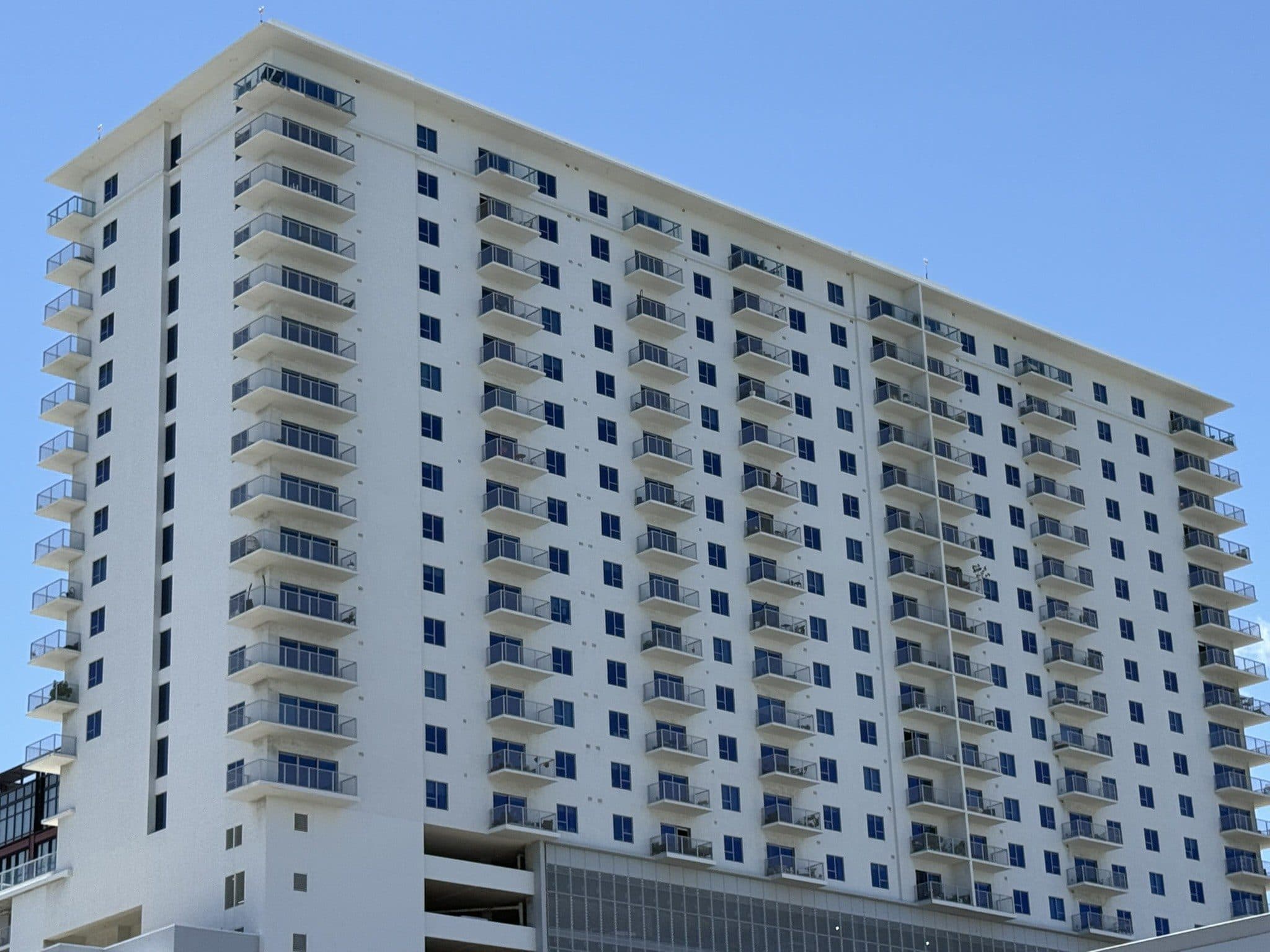
Mid-luxury and full-service buildings — think Waterview Towers, Placido Mar, Palm Beach House — run in the $700–$1,500/month range and typically offer more: concierge, valet, 24-hour security, multiple amenity floors, and in some cases the cable and internet included model. As you move into the trophy category — The Bristol, South Flagler House, One Flagler — fees of $2,000–$5,000/month are not unusual for buildings that deliver hotel-caliber staffing, extensive amenity programming, and meticulous building maintenance.
New construction ultra-luxury — Olara, Ritz-Carlton Residences, Mandarin Oriental — will carry fees in the $3,000–$18,000/month range reflecting the cost of operating buildings with 80,000+ square feet of amenities, full-time wellness staff, concierge healthcare partnerships, and multiple pools and restaurants. For buyers at this price tier, the HOA fee is not a cost to minimize — it's the mechanism by which the building maintains the standard of living the purchase price implies. Underfunded operations produce deferred maintenance, declining quality, and ultimately declining values.
The reserve fund is as important as the monthly fee. Florida condo associations are required to conduct reserve studies and fund reserves for major capital items — roofs, elevators, pool resurfacing, seawall repairs, parking structures. A building with a funded reserve ratio below 50% is waving a yellow flag; below 30% is a red one. The 2021 Surfside collapse accelerated Florida's reserve funding requirements significantly — under new state law, older buildings must fully fund structural reserves by 2025. If you're buying in a pre-2000 building, request the most recent reserve study and the HOA's funding plan. A special assessment — a one-time charge per unit to cover capital expenses the reserves couldn't fund — can cost $5,000 to $50,000+ per unit and is not always disclosed upfront.
The practical advice: never evaluate a condo purchase on purchase price alone. Run the math on total monthly cost of ownership — mortgage (if financing), HOA fee, property taxes, and any special assessment risk. In WPB, that full number often lands 30–50% above the mortgage payment alone, and buyers who don't model it accurately end up surprised. The DO Homes Group team evaluates HOA financials as part of every building recommendation — it's one of the things that separates a specialized condo team from a generalist agent.
Written by John Oliver, REALTOR® · DO Homes Group at Premier Brokers International — SRS, ABR, RENE, RSPS certified.
Free Monthly Market Report
Get the Downtown WPB Condo Market Report
Current pricing, absorption, days on market and closed-sale data for the downtown West Palm Beach condo market — updated every month.
Have Questions?
Talk to Christine or John — no obligation.
More Buyer Guides
Free Monthly Market Report
Get the Downtown WPB Condo Market Report
Current pricing, absorption, days on market and closed-sale data for the downtown West Palm Beach condo market — updated every month.
- Median and per-square-foot pricing across the downtown corridor
- Inventory, absorption and days-on-market trends month over month
- Closed-sale data behind the headline numbers, not just the headline
This guide is provided by DO Homes Group at Premier Brokers International for informational purposes only and does not constitute legal, financial, tax, or investment advice. Pricing, availability, HOA fees, rental and pet policies, building rules, and development timelines change frequently and may have changed since publication. Verify all details independently — including the building's current association documents — and consult the appropriate licensed professionals before making any real estate decision.
Ask Christine or John
We conducted our entire search virtually from abroad and John personally visited properties for us.
— Carolyn Hall, Buyer · 3x Platinum Producers, 9 yrs WPB condos
Nearby Schools
GreatSchools is a nonprofit that provides ratings, test scores, and parent reviews for public and private schools across the country — a helpful starting point for families researching West Palm Beach.
View Schools on GreatSchools →School data provided by GreatSchools.org. Ratings are one of many factors to consider — we recommend visiting schools directly and consulting the Palm Beach County School District for the most current information.
Sell with Christine & John
Thinking of Selling
Your WPB Condo?
Christine & John know your building better than any generalist agent — every closed comp, every active listing, every competing new construction project in your price range. That's how you price right the first time.
We Know These Buildings
Deep WPB condo market knowledge — we track every building, comp set, and price trend so your listing is priced right from day one.
condowpb.com Buyer Pipeline
Our site attracts active condo buyers — your listing is in front of them before we run a single ad.
Pricing Backed by Data
We track resale history and price trends for every building in the market. We price with data, not estimates.
Certified Seller Representation
John holds the SRS designation — a national credential for advanced seller representation held by fewer than 5% of agents. Both agents hold RENE.
2017
Team Founded
3x
Platinum Producers
42+
Buildings Tracked