Buying oceanfront means buying next to a shoreline that moves. Beaches widen after calm seasons and shrink after storms. Public projects add sand, structures hold some lines and shift erosion to others, and the rules about what can be built or repaired near the water are state rules, not the association's. None of this means a building is a bad purchase. It means the shoreline belongs in your due diligence alongside the building's concrete and finances.
This guide lists what to investigate and where to find the answers. It is part of our Singer Island buyer resources and follows on from the cornerstone guide. It does not predict how any beach or building will perform, and it makes no claim about future values.
Start with what you can see and what the record shows
Visit the beach in front of the building, ideally more than once and at different tides. Note the width of the dry sand, the condition of the dune and dune walkover, any exposed rock or concrete, and whether there are signs of recent sand placement. Then look at the record:
- State designation. Florida's Department of Environmental Protection publishes a report that designates stretches of the coast as critically eroded or not. Check whether the segment in front of the building is listed and what the report says.
- Public beach projects. Palm Beach County runs beach and inlet management programs that include placing sand on county beaches. Ask the county's Department of Environmental Resources Management about past and planned projects near the building's address, and about how the Lake Worth Inlet affects sand movement on the island.
- The association's records. Ask for any coastal engineering, survey or permit documents, which we cover below.
The coastal construction control line
Florida regulates construction near the sandy coast through a coastal construction control line (CCCL) set by the state. Structures seaward of the line need state permits, and the rules affect what can be built, rebuilt, repaired or added, including seawalls, walkovers, pools and major renovations. Florida also requires sellers of property near the coast to give buyers a disclosure about the line.
For a buyer this means two things. First, ask whether the building or its amenities sit seaward of the line, because that affects what the association can do after a storm. Second, read the disclosure in your contract rather than initialing past it. Our Singer Island hub summarizes the basics, and your attorney can explain how it applies to the parcel.
Seawalls, revetments and dunes
Some oceanfront buildings have a seawall, a rock revetment or a reinforced dune between the building and the water. Others rely on the natural dune and beach. The type matters for three reasons:
- Protection. A structure may protect the property from wave action, but it can also affect the beach in front of it.
- Maintenance. Structures need inspections and repairs, and their cost falls on the association and so on owners. This is one of the large long-term reserve items for buildings that have them.
- Permitting. Repairing or replacing coastal armoring is regulated, and the rules can limit what is allowed.
The building pages note shoreline features from listing data where it exists. Via Delfino, for example, is described in listing data as having a seawall and deeded beach access. Listing data does not rate a structure's condition. That is for an engineer to say, and for the buyer to ask the association about.
Lagoon-side buildings have their own version: seawalls or bulkheads along the Lake Worth Lagoon, with docks. They are not subject to ocean wave action in the same way but they wear, and the same questions apply.
Documents and questions for the association
- Any coastal engineering or shoreline assessment, including surveys of the dune, beach profile or armoring
- Permits for coastal structures, walkovers and repairs, and the state's authorization for any structure seaward of the CCCL
- Inspection and maintenance records for the seawall, revetment or walkover
- Whether any storm damage occurred to coastal structures, how it was repaired, and how it was paid for (insurance, reserves or assessment)
- The reserve study's treatment of coastal structures and their remaining life
- Any pending or planned work, and how it is funded
- The building's beach access arrangement: its own path or gate, an easement, or public access nearby
- Storm procedures and the evacuation zone
Flood zones and storm surge
Flood risk comes from several sources: storm surge, rain and high tides. FEMA flood maps assign zones that influence insurance and lender requirements. The coastal high-hazard zones carry the highest wave risk.
Listing data on our building pages gives the zone where available, and some buildings span more than one zone. Treat it as a starting point. Ask for the elevation certificate, check the zone for the exact address, and talk to your insurance agent. For how these zones feed into premiums and requirements, see oceanfront condo insurance.
As a barrier island, Singer Island is generally in the first evacuation zones in a major storm threat, and the way off the island is across a limited number of bridges. Check the county evacuation zone lookup for the address.
Sea level and long-term change
Regional planners in Southeast Florida publish sea level rise projections for use in planning, and federal tools show potential impacts. These are projections with ranges, not predictions for a specific building. Buyers who want to consider long-term change can review them and ask how the association thinks about elevation of critical equipment, drainage and storm hardening.
We make no claims about future property values or insurability; those depend on many things that are not knowable today.
Beach rules and wildlife
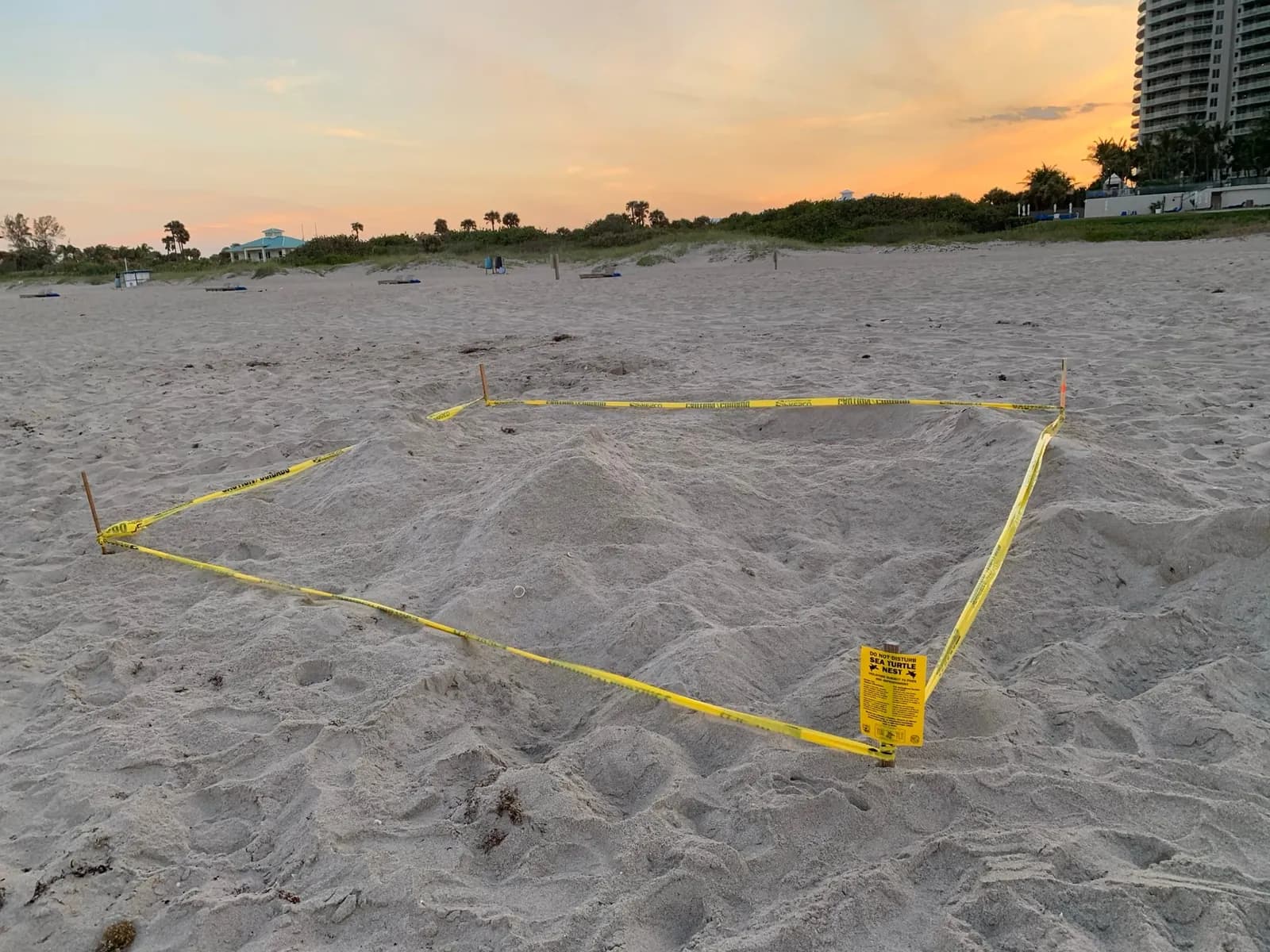
Owning oceanfront does not make the beach private. The beach below the mean high-water line is public in Florida, and the island's public beach parks have their own parking, fees and hours; our county site's guide to things to do on Singer Island covers the public beaches and parks. During sea turtle nesting season, lighting rules and association rules typically limit light that reaches the beach, which affects balcony lighting and window treatments.
What the shoreline means for the money
Coastal conditions connect to costs covered elsewhere in this series:
- Maintenance: salt and moisture drive concrete restoration.
- Reserves and assessments: coastal structures are big items that someone must fund.
- Insurance: zone, elevation and wind exposure affect premiums and deductibles.
- Overall cost: see the true cost of ownership.
What to do next
Walk the beach, read the disclosure, and ask for the coastal records before you commit. If you tell Christine or John which building you're considering, we'll help you request them. Start with the Singer Island buildings we've documented for each building's beach access notes, and see the water and storm sections of our island overview for context.
Looking at a specific building?
Start with the Singer Island buildings we've documented, or tell Christine or John what you're weighing and we'll help you work out what to ask for and what to double-check.
Talk to DO Homes Group →Frequently Asked Questions
Is the beach in front of an oceanfront condo private?
No. In Florida the beach below the mean high-water line is public. A building may have its own path, gate or easement to the sand, but that does not make the beach private. Confirm the building's access arrangement with the association.
What is the coastal construction control line?
A line set by the state along the sandy coast. Construction seaward of it requires state permitting, which affects what can be built or rebuilt. Sellers must provide a disclosure about it. Ask whether the building or its amenities lie seaward of the line.
How can I tell if the beach in front of a building is eroding?
Look at the beach in person and ask for the state's critically eroded beaches designation and the county's records of sand placement. Ask the association whether it has coastal engineering reports or has repaired shoreline structures.
Who pays to maintain a seawall or revetment?
Generally the association, which means unit owners through assessments and reserves, unless the structure is public. Ask for the maintenance history, remaining life, and how it is funded.
Does a beach renourishment project protect my building?
It can reduce wave exposure by widening the beach, but it does not stop a beach from changing. Treat it as one factor, and ask what projects are planned and how they are funded.
Sources and further reading
- Florida Department of Environmental Protection, Office of Resilience and Coastal Protection
- Florida Statutes, Chapter 161 (Beach and Shore Preservation)
- Palm Beach County Department of Environmental Resources Management
- FEMA Flood Map Service Center
- NOAA Sea Level Rise Viewer
- Southeast Florida Regional Climate Change Compact
- Palm Beach County hurricane evacuation zones
More Singer Island buyer resources
- Buying an older oceanfront condoThe cornerstone guide: building age, inspections, reserves, documents and the risks specific to older towers on the sand.
- Milestone inspectionsWhich buildings need one, what Phase 1 and Phase 2 are, and how to read the report as a buyer.
- Structural integrity reserve studies (SIRS)What a SIRS measures, what it leaves out, and how to read it beside the budget, insurance and a Milestone Inspection.
- Special assessment red flagsHow to tell where an assessment stands, which open questions matter, and who answers them before a deadline.
This article is provided by DO Homes Group at Premier Brokers International for general information only. It is not legal, insurance, engineering, tax, lending or investment advice, and it does not describe the condition, finances or insurability of any particular building. Florida condominium law, insurer and lender requirements, and association documents change; confirm anything you rely on with the association, your attorney, a licensed engineer, your insurance agent and your lender.