The short answer
Can an older oceanfront building be a smart purchase? Often it can, and sometimes it cannot. What separates the two is almost never visible from the unit.
- Older does not automatically mean bad. Age tells you which questions to ask. The building's records tell you the answers.
- A renovated unit does not solve association-level issues. New floors, a new kitchen and new windows inside the unit do not change the roof, the structure, the reserves or the insurance that every owner shares.
- You are evaluating the building and the association as much as the residence. You are buying the unit and a share of everything around it.
- A strong candidate tends to show documented maintenance, reserve funding you can follow, transparent assessments, adequate insurance and no unresolved structural issue.
- A beautiful unit is not enough if the documents do not support the purchase.
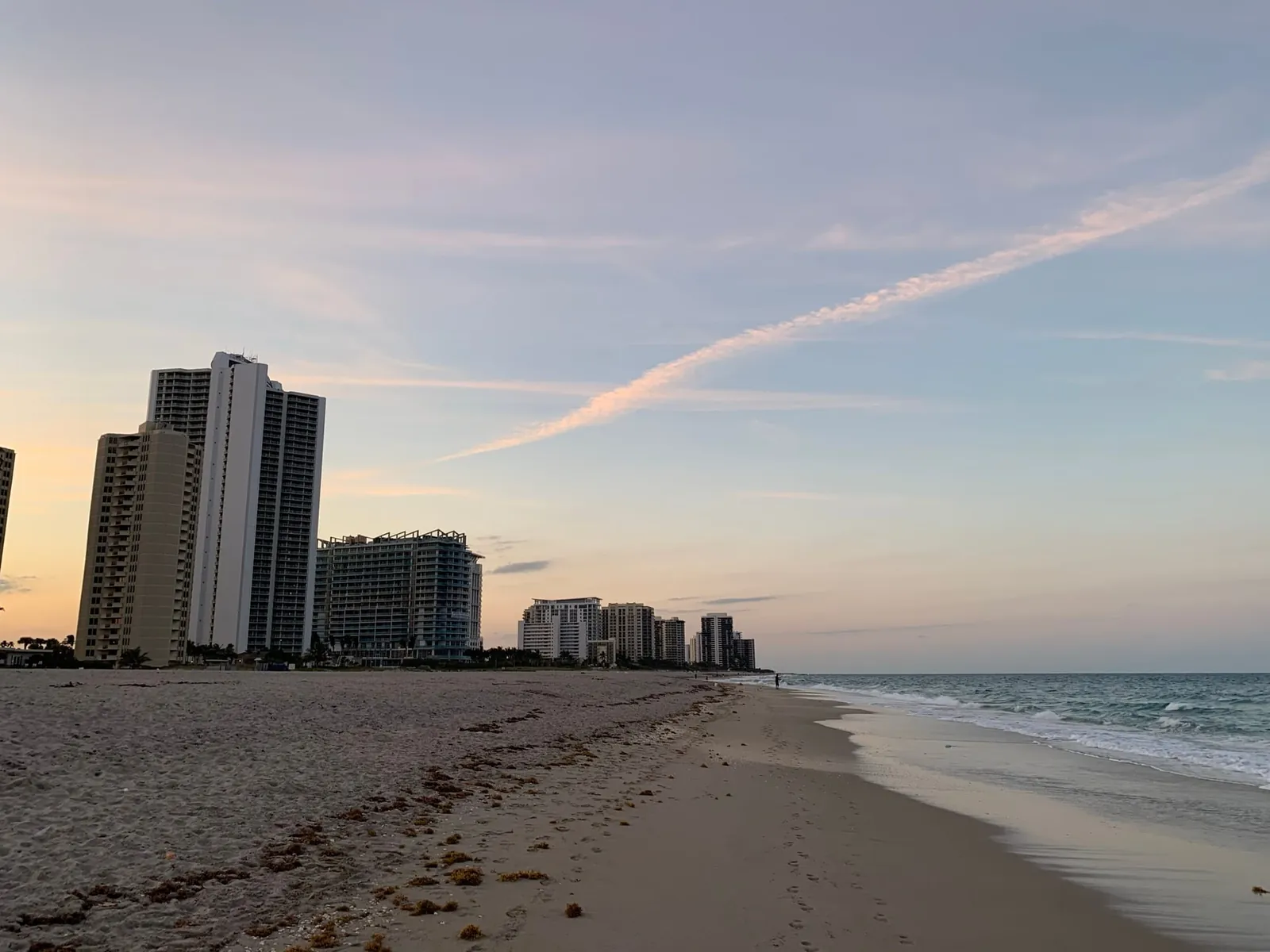
This guide is about the decision. For the island itself, including its municipalities, ocean side versus lagoon side, and every building we have documented, start with the Singer Island oceanfront condo building pages. Many of the oceanfront towers date from the 1970s: five of the eight buildings listed there were built between 1973 and 1979, and the rest between 2003 and 2024. Singer Island building-specific due diligence starts with what the record actually says about that building. The building pages list year built, height and municipality from public and listing records, which is enough to see which towers are the older ones: Seagrape and Phoenix Towers are both listed as built in 1973, for example, while Via Delfino is listed as built in 2003.
Good fit, or pause and investigate?
Good fit
- The reports, budget and reserve schedule are available and tell a consistent story.
- Repairs that have been done or are planned have an identified source of funding.
- Insurance and lender feedback are clear before you commit.
- The rules fit how you plan to use the unit.
- You are comfortable with how the building’s costs have moved.
Pause and investigate
- Documents are delayed, incomplete or answered only verbally.
- An engineer recommended work and no one can say how it will be paid for.
- Reserves are hard to reconcile with the study or the budget.
- Assessments are being discussed but no one will put the plan in writing.
- An insurer or lender cannot give you a clear answer.
- The finished unit is doing most of the persuading.
The 10 documents and questions that decide the purchase
Each item below is a due-diligence record or answer to obtain through the proper channel for your transaction: the seller and their agent, the association’s management, your lender, your insurance agent, your attorney and the closing or title agent. The “Who should provide it” line on each card says which. Read them as a set; any one of them can look fine while another does not.
1.Current adopted budget and reserve schedule
- Why it matters
- They show what owners are paying for today and whether money is being set aside for the large replacements a building of this age will face.
- What to look for
- Insurance, repairs and reserve lines; how the budget changed from last year; any association loan; whether reserve contributions line up with the reserve study.
- Who should provide it
- The association, through the seller and your attorney or closing agent.
2.Most recent structural integrity reserve study (SIRS), where applicable
- Why it matters
- It lists the structural and life-safety components the association must plan for, their estimated remaining life and cost, and a funding schedule.
- What to look for
- The date and preparer; which components are covered; the recommended annual funding; how actual reserves compare with it; anything marked for near-term replacement.
- Who should provide it
- The association, through the seller and your attorney.
3.Milestone Inspection report and the inspector-prepared summary, where applicable
- Why it matters
- It is a licensed engineer’s or architect’s written view of the structure at the time of inspection, and it may recommend repairs.
- What to look for
- Whether a second phase was required; what was found and recommended; the repair timeline; whether the summary given to owners matches the full report.
- Who should provide it
- The association, through the seller and your attorney.
4.Board meeting minutes for the last 12 to 24 months
- Why it matters
- Projects, bids, disputes, insurance renewals and funding discussions often appear in minutes before they appear in the budget.
- What to look for
- Engineer proposals, cost workshops, votes to borrow, insurance changes, owner complaints, and any mention of litigation.
- Who should provide it
- The association, through the seller and your attorney.
5.Special assessments that are current, approved, proposed or being discussed
- Why it matters
- A charge on top of regular fees can change what the unit costs to own, and the contract decides who pays which installments.
- What to look for
- Purpose, amount basis, payment schedule, whether billing has started, and how your contract treats assessments approved before closing.
- Who should provide it
- The association and the seller in writing; your attorney and closing agent for the contract and payoff figures.
6.Master insurance declarations, and your own HO-6 and loss-assessment quote
- Why it matters
- On the ocean, wind and flood treatment and deductibles can move your monthly cost and your exposure after a storm.
- What to look for
- Wind or named-storm deductible and how it is calculated; flood treatment; limits; renewal date and premium trend; claims history; and whether your own quote includes loss-assessment coverage.
- Who should provide it
- The association for the master policy; your insurance agent for your policy quote.
7.Capital-repair plan, completed repairs, open permits, and contractor or engineer scope
- Why it matters
- They show what has been done to concrete, balconies, windows, roofing and waterproofing, and what remains.
- What to look for
- Scope and phases, how the work is funded, warranties, whether your balcony or exposure is included, and permits that are still open.
- Who should provide it
- The association; permit records from the local building department.
8.Declaration, bylaws, rules, rental restrictions, pet rules and the approval process
- Why it matters
- They decide what you can do with the unit and how long buyer approval takes.
- What to look for
- Leasing limits and waiting periods, pet rules, the application and interview process, fees, and recent amendments.
- Who should provide it
- The association, through the seller and your attorney; recorded documents can also be pulled by your attorney or title company.
9.Financing review issues
- Why it matters
- A lender reviews the building as well as you, so the building’s facts can shape your loan options now and a future buyer’s.
- What to look for
- Reserves, litigation, deferred maintenance, insurance, pending assessments, and the mix of owner-occupied, rented and commercial use.
- Who should provide it
- Your lender, using the questionnaire the association’s management completes.
10.Parking, storage, cabanas and docks
- Why it matters
- These do not always convey the same way as the unit, and they can carry their own charges.
- What to look for
- Whether each is deeded, a limited common element, assigned, rented, transferable or on a waitlist; what it costs; and what happens when you sell.
- Who should provide it
- The declaration and title work, confirmed with the association and your closing agent.
Want the building documents reviewed before you write an offer?
We'll help you identify what to request and what deserves a second look for the specific Singer Island building.
Milestone Inspection and SIRS: Similar purpose, different questions
Both come out of Florida's condominium safety rules adopted after the 2021 Surfside collapse, and both are about whether a building can be maintained and funded responsibly. They are not the same document. The Florida Department of Business and Professional Regulation (DBPR) treats them as separate requirements, even when they are performed around the same time, and explains them on its inspections page and in its frequently asked questions.
| What it covers | Milestone Inspection | Structural integrity reserve study (SIRS) |
|---|---|---|
| The question it answers | What condition is the structure in, and what repairs does a licensed engineer or architect recommend? | What will it cost to maintain and replace the building's structural and life-safety components, and is the association funding it? |
| What a buyer reads | Whether a second phase was required, what was found, what was recommended, and the summary given to owners. | The components covered, their estimated remaining life and cost, and the recommended funding schedule. |
| What it does not tell you | How the repairs will be paid for, or how the rest of the association's finances look. | Whether any listed item has actually been repaired or replaced. |
Whether and when each one applies depends on the building: its height, its age (for the Milestone Inspection, counted from the building's certificate of occupancy), the local enforcement agency, and current law, which has been amended more than once since 2022. Do not assume two Singer Island buildings share a deadline, and do not assume the set of documents you are shown is complete. Ask the association which requirements apply to this building, whether each has been completed, and ask to see the document itself rather than a statement that it exists.
For the official text, see section 553.899, Florida Statutes on Milestone Inspections and section 718.112, Florida Statutes, whose subsection (2)(g) covers the SIRS, along with DBPR's SIRS reporting page. Our milestone inspection buyer guide and our guide to reading a SIRS go further on how to read each report.
This guide is informational. Your attorney, lender, engineer, insurer and the association's own documents decide what applies to your transaction.
What makes an older direct-ocean building different
Salt, wind and water
A direct-ocean building is exposed to salt air, wind-driven rain and storm-driven water in ways an inland building is not. That tends to show up in the exterior: waterproofing and sealants, windows and doors, balconies, the roof and the concrete itself, along with systems such as elevators. Insurance reflects the same exposure. The records worth reading are the ones that show how the association has handled each of these, and our guides on concrete restoration and salt air and oceanfront condo insurance explain what to look for.
Storm procedures
Ask how the building prepares for a hurricane: impact glass or shutters and who installs them, generator coverage, elevator and garage policies, and what owners are expected to do before they leave for the season. Check the county's evacuation information for the exact address, since barrier islands are commonly among the first areas affected by an evacuation order. The coastal risk guide covers shoreline and flood questions.
Beach access is not beach ownership
A building may have its own gate, path or easement to the sand. That is access, not ownership: the beach itself is not private. Ask how this building's access works, who maintains it, and whether it is part of the unit's rights or only the building's.
Direct ocean, lagoon side and inlet-adjacent
These are different purchases, not better and worse ones. A direct-ocean tower trades exposure for the beach at the bottom of the building. A lagoon-side building faces calmer water and may have docks, with its own maintenance profile. At the south end, near the Lake Worth Inlet, the Town of Palm Beach Shores is a separate municipality from the City of Riviera Beach, which holds most of the oceanfront towers, and that can change which building department and local rules apply.
What is specific to the building and the unit
Availability, views, docks, rental rules and municipal requirements belong to the building and to the unit, and a listing is not a reliable place to confirm them. Confirm each one for the exact unit, in writing, through the seller, the association and your attorney.
Walk, investigate, or proceed?
None of this is a rule or a conclusion about any building. It is a way to organize what you learn, and your attorney, lender, engineer and insurance agent should weigh in on the specifics.
Proceed with confidence
You may be in a good position to make an offer when:
- The documents you asked for are complete and consistent with each other.
- The funding for repairs, completed or planned, is understood.
- Your lender and insurer have given clear feedback on this building.
Investigate before offering
It could be worth slowing down when:
- Reports are incomplete or not yet available.
- Engineering work is coming and its scope or cost is unclear.
- Reserve funding is hard to follow.
- Insurance exposure is unknown.
- The assessment history is unclear.
Pause or renegotiate
You may want to pause, ask for a different price or terms, or walk away when:
- Material documents are missing.
- Structural findings are unresolved.
- Repair obligations are material and not reflected in the price.
- A lender or insurer cannot support the transaction.
Where to go next
Once you have the documents in hand, the questions usually turn to cost and risk. These guides take each in turn:
- How a building's costs are built up: how to read a condo budget, and the true cost of owning an older oceanfront condo.
- Charges that arrive on top of regular fees: special assessment red flags. For the statewide basics, see Florida condo special assessments.
- Whether the building can be financed: why lenders review the building.
You can also browse every topic in one place at the Singer Island buyer resources hub.
Also comparing island lifestyle, lagoon-side homes, or Palm Beach Shores? Explore Singer Island homes and local living on DoYouNeedAHome.com.
Frequently Asked Questions
Is an older oceanfront condo on Singer Island a good purchase?
It can be. The answer depends on the building, not the age on its own. A building with documented maintenance, reserves you can follow, clear assessment history, adequate insurance and no unresolved structural issue may be a sound candidate. A building where those answers are missing or unclear may call for more investigation, a different price, or a pass.
Does a renovated unit mean the building is in good condition?
No. Work inside a unit does not change the roof, the structure, the reserves or the insurance that every owner shares. Evaluate the unit and the building separately.
Are a Milestone Inspection and a SIRS the same thing?
No. A Milestone Inspection is an engineer's or architect's structural inspection of a building. A SIRS is a study that identifies certain structural and life-safety components, estimates their remaining life and replacement cost, and sets a funding schedule. The Florida Department of Business and Professional Regulation treats them as separate requirements, and which ones apply to a given building depends on the building and on current law.
How do I find out whether a building has special assessments coming?
Ask the seller and the association in writing about assessments that are current, approved, proposed or being discussed, and read the board minutes for the last 12 to 24 months, where projects and funding often appear first. Your attorney and closing agent can confirm what the contract and the payoff figures say.
Can I get a mortgage on an older oceanfront condo?
Often, but lenders review the building as well as the buyer, and certain conditions in a building, such as unresolved repairs, thin reserves, litigation or certain insurance issues, may limit options. Talk to a lender who finances condominiums before you make an offer, and treat any one lender's answer as that lender's answer for that day.
Want the building documents reviewed before you write an offer?
We'll help you identify what to request and what deserves a second look for the specific Singer Island building.
Sources and further reading
- DBPR Condominium Information & Resources: Inspections
- DBPR Condominium Information & Resources: Frequently asked questions
- DBPR: SIRS reporting and database
- Florida Statutes, s. 553.899 (mandatory structural inspections for condominium and cooperative buildings)
- Florida Statutes, s. 718.112 (bylaws; structural integrity reserve study)
- Palm Beach County Property Appraiser, municipality codes
More Singer Island buyer resources
- Milestone inspectionsWhich buildings need one, what Phase 1 and Phase 2 are, and how to read the report as a buyer.
- Structural integrity reserve studies (SIRS)What a SIRS measures, what it leaves out, and how to read it beside the budget, insurance and a Milestone Inspection.
- Special assessment red flagsHow to tell where an assessment stands, which open questions matter, and who answers them before a deadline.
- Condo association feesWhat a Singer Island condo fee may cover, what may stay separate, and how to compare the real carrying cost of two buildings.
This article is provided by DO Homes Group at Premier Brokers International for general information only. It is not legal, insurance, engineering, tax, lending or investment advice, and it does not describe the condition, finances or insurability of any particular building. Florida condominium law, insurer and lender requirements, and association documents change; confirm anything you rely on with the association, your attorney, a licensed engineer, your insurance agent and your lender.